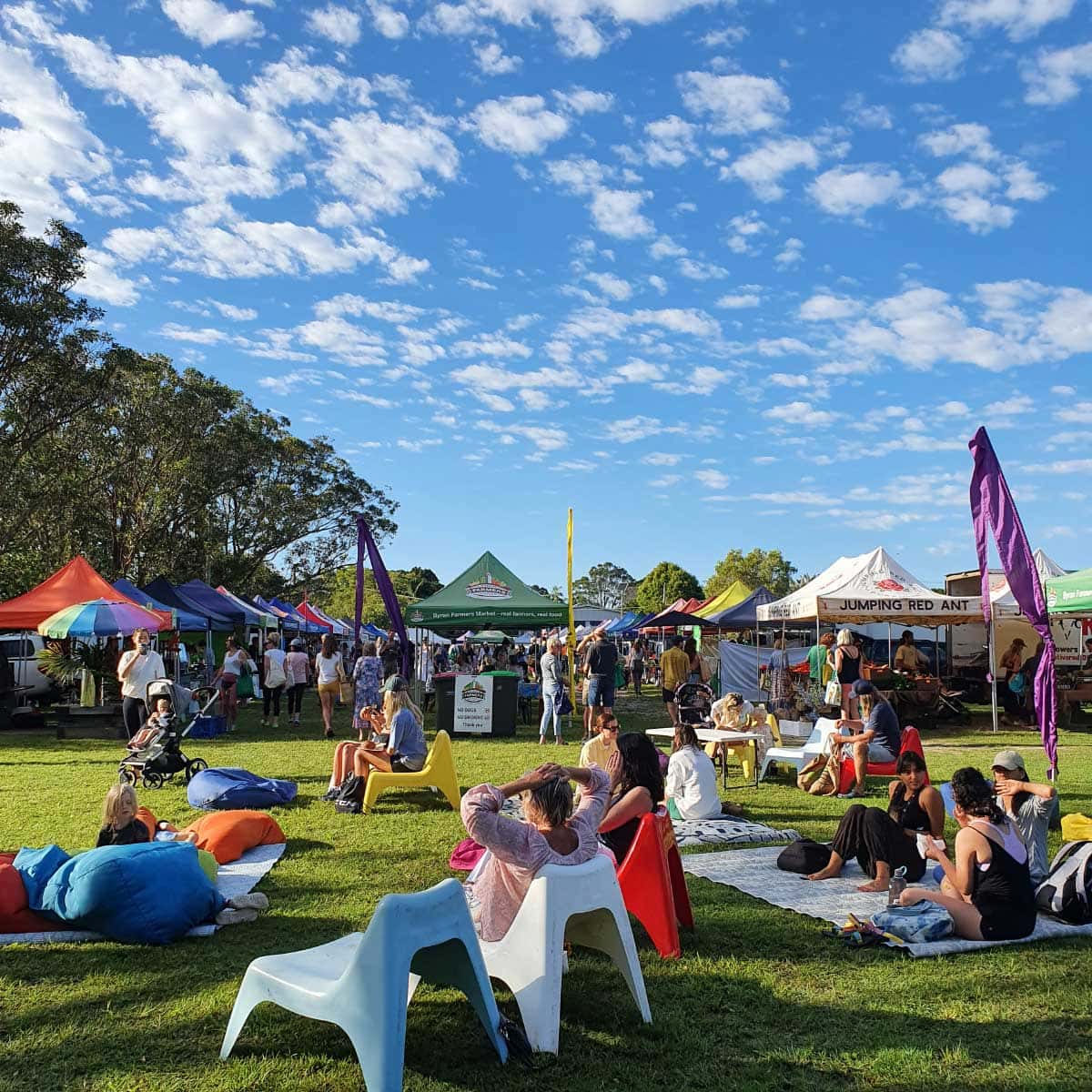
Well, the two can overlap, but they are not the same thing. A farmers market centres on buying directly from the people who grow or make the food. A produce market describes what is being sold, usually fruit and vegetables, without necessarily telling you who grew it.
A produce market might have growers selling their own harvest alongside traders who source from other farms or wholesalers. What matters is the connection between the stallholder and the food.
In Australia, the Australian Farmers' Markets Association (AFMA) sets out a farmers market model built around that direct relationship. It is a useful starting point when you want to understand what a market offers.
The difference at a glance
| Question | Farmers market following the AFMA model | Produce market, used as a general description |
|---|---|---|
| What is the focus? | Farmers and food producers selling directly to customers | Selling fresh produce |
| Who runs the stalls? | Producers, their family or staff, and eligible producer groups | May include growers, independent traders and resellers |
| Can traders buy produce to resell? | AFMA's model rules exclude reselling | Depends on the market's own rules |
| How do you check? | Read the producer policy and any association recognition or accreditation | Check the trader information and ask about sourcing |
These are useful distinctions, rather than a way to judge a market from its name alone. Read what the organiser says about who can trade there.
What makes a farmers market a farmers market?
AFMA describes a regular, predominantly fresh-food market where farmers and specialty food producers sell directly to the public.
That does not mean the person who planted every seed must personally be behind the table. AFMA's definitions include farm family members and knowledgeable farm employees, along with genuine producer cooperatives.
The point is that the stall represents the producer. It is different from a separate trading business buying food and selling it on.
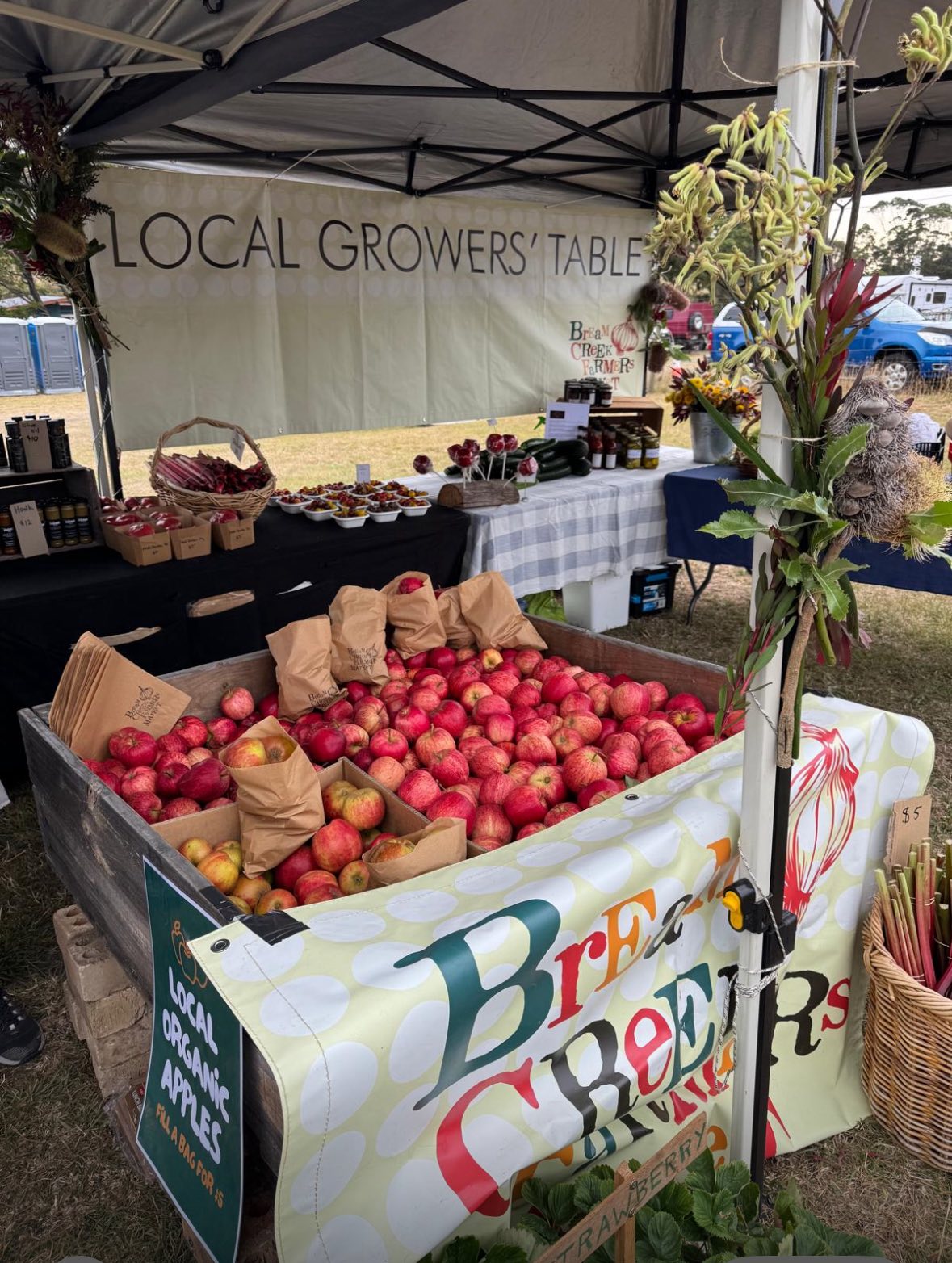
For example, imagine two stalls selling tomatoes. At one, the stallholder works for the farm that grew them. At the other, an independent trader bought them from a wholesaler. Both might have tomatoes you want to buy, but only the first is a direct sale from that farm.
What is a produce market?
For shoppers, "produce market" is a broad description. Check the individual market rather than assuming it follows a producer-only policy.
A stall might sell its own crops, buy directly from several growers, source through a wholesale market, or use a combination. Ask about the particular product you are buying. Knowing where the apples came from does not tell you where the avocados came from.
Buying through a trader can still connect your shopping with Australian farms. Brisbane Markets describes wholesalers who receive fresh produce from growers and sell it on to buyers, including independent fruit and vegetable retailers. The grower is part of that supply chain, even though they are not making the final sale to you.
Does produce market mean wholesale market?
Sometimes the term refers to a large distribution market rather than a weekend shopping destination. Sydney Markets describes its produce market as a place that connects growers, wholesalers and professional buyers such as supermarkets, restaurants and greengrocers.
The distinction matters when you are planning a visit. Check public access and shopping hours before treating a wholesale-market listing as somewhere to take your shopping bags.
Even markets at the same location can serve different purposes. Brisbane Markets identifies its Brisbane Produce Market and Saturday Fresh Market as separate operations. The Saturday Fresh Market is its public fresh-food and lifestyle market.
Can a farmers market sell bread, cheese or jam?
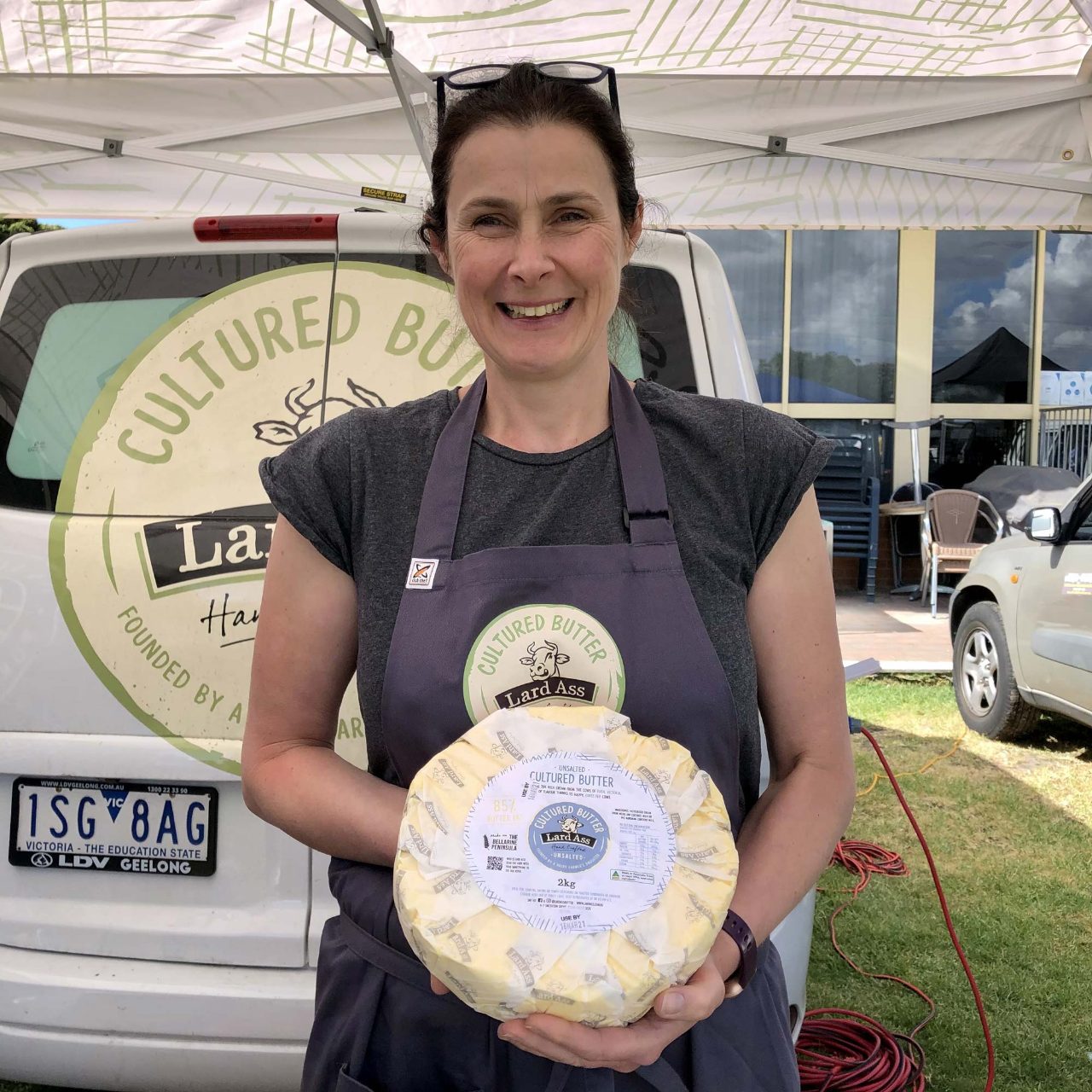
Yes. Farmers markets can include food makers as well as growers. The presence of bread or preserves does not, by itself, make a market less focused on producers.
What matters is the maker's role and the market's ingredient-sourcing rules.
Melbourne Farmers Markets, for example, expects specialty makers to support Victorian farmers by sourcing ingredients directly. Its published criteria exclude wholesalers and resellers, as well as general merchandise and craft stalls. It also says its markets are accredited by the Victorian Farmers' Markets Association, and that a regular stall needs that accreditation.
That is one operator's policy, rather than a rule to assume at every market. If you are a baker or preserve maker looking for a stall, read the organiser's criteria before applying. Permission to sell food and eligibility for that particular market are separate questions.
What does an accredited farmers market mean?
Look for the organisation behind the accreditation and check its own information.
In Victoria, the Victorian Farmers' Markets Association (VFMA) maintains a network of accredited farmers markets. Melbourne Farmers Markets says all its markets are VFMA-accredited and sets an accreditation requirement for producers seeking a regular stall.
AFMA also has a national market directory. It says the markets listed are recognised for their commitment to its charter and operating principles. That description should not be casually replaced with "VFMA-accredited". These are different organisations and descriptions.
If a market does not display an accreditation badge, ask about its producer policy. The missing badge alone does not tell you how its stallholders source their food.
Is everything local at a farmers market?
Check what the market means by local.
AFMA's model rules call for individual markets to define their geographic sourcing boundaries. There is no single distance in those rules that you can apply to every Australian market.
"Grown locally", "made locally" and "sold by a local business" also answer different questions. A nearby bakery tells you where the bread was made. Ask separately if you want to know where its flour was grown.
For a jar of jam, you might care about where the fruit came from, who made it, or both. Ask the question that matters to you rather than relying on the word local to cover everything.
Are farmers markets always organic?
No. Buying directly from a producer and buying organic food are separate things.
If organic production matters to you, check the product's claims and any certification. Do not assume an entire stall or market is organic because some products are labelled that way.
The ACCC's organic claims guidance explains that businesses must be able to substantiate their claims. It also distinguishes an organic claim from a claim of organic certification.
Farmers-market accreditation and organic certification answer different questions, too. Check which one a sign refers to.
Is a farmers market cheaper than a produce market?
Compare the food you actually want to buy. Neither label is enough to tell you which shop will cost less.
Check the price per kilogram where available, the quantity, variety, condition and any production claims. A large bag and a small punnet are hard to compare by their sticker prices alone.
For freshness, ask when something was harvested and how it has been stored. For value, think about how much you will use. A larger quantity only suits your budget if you can eat, share or preserve it.
Treat "farm direct" as information about the relationship with the seller, rather than a promise about every price or harvest date.
How can you tell where the food came from?
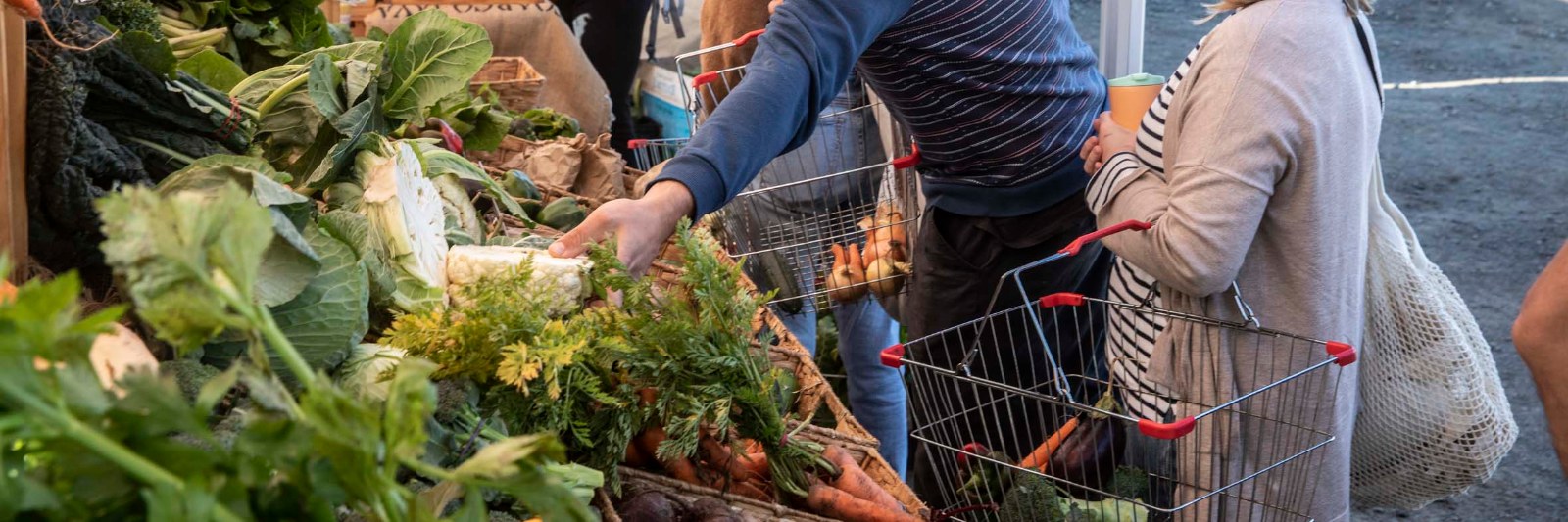
Start with the market's website. Look for a producer list, stallholder criteria or sourcing policy, then ask a few ordinary questions at the stall:
- "Did you grow these, or do you source them?" Leaves room for either answer.
- "Where were they grown?" Helps you understand the origin of that particular product.
- "What have you harvested recently?" Useful when you are planning what to cook.
- "Do you make this yourselves?" A good starting point for bread, sauces and preserves.
- "Where do your main ingredients come from?" Goes a step further than finding out where something was made.
You do not need to turn your shopping into an inspection. A brief conversation can help you find the stalls you want to return to.
Which market should you choose?
If you want a direct connection with growers and makers, look for a farmers market with a clear producer policy. If you want to compare produce across several traders, explore markets that publish their trader mix and sourcing information.
You can shop at both. Choose according to what you need that week, how far you want to travel, and which businesses you want to buy from.
On MarketsGuide, the farmers markets category uses AFMA's definition to guide which markets belong there. This categorisation is not accreditation, and a MarketsGuide listing does not establish AFMA or VFMA recognition.
Start with farmers markets near you, or browse the broader food markets directory. Open the individual listing and the organiser's information to see whether it offers the kind of shopping you have in mind.
Sources checked 23 October 2026. This guide explains Australian market terminology and published industry guidelines. Individual markets set their own stallholder and sourcing policies.
Find a farmers market or a food market
Farmers markets are the farm-direct category. Food markets are the broader directory for produce, makers, and ready-to-eat stalls.