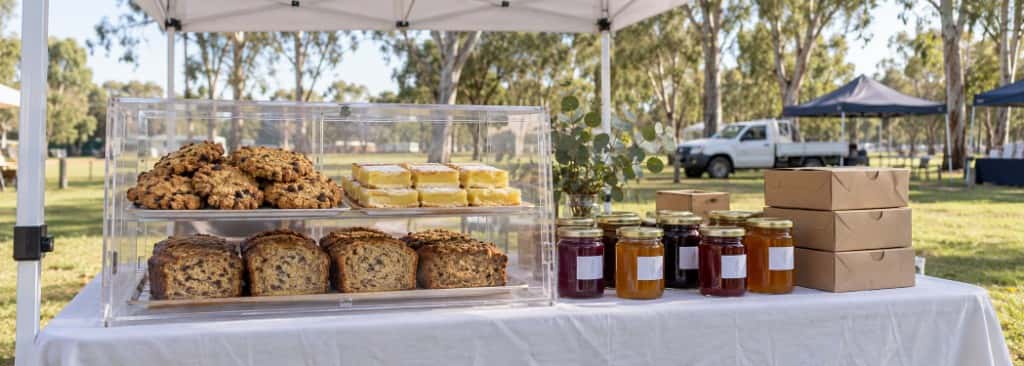
Yes, you can sell homemade food at markets in Australia, provided your food, kitchen and stall meet the requirements that apply where you operate. What you make matters. A packet of plain biscuits raises different questions from a cream-filled cake or a jar of homemade relish.
Before you book a stall, check both parts of the business: preparing the food at home, and selling it at the market. Approval for one may not cover the other.
Does a few batches from home count as a food business?
It can. Food Standards Australia New Zealand says home-based food businesses must meet the same food safety requirements as other food businesses, regardless of their size or how often they sell.
That includes food made in a domestic kitchen for a local market. Trading once a month, or describing it as a hobby, does not automatically remove those obligations.
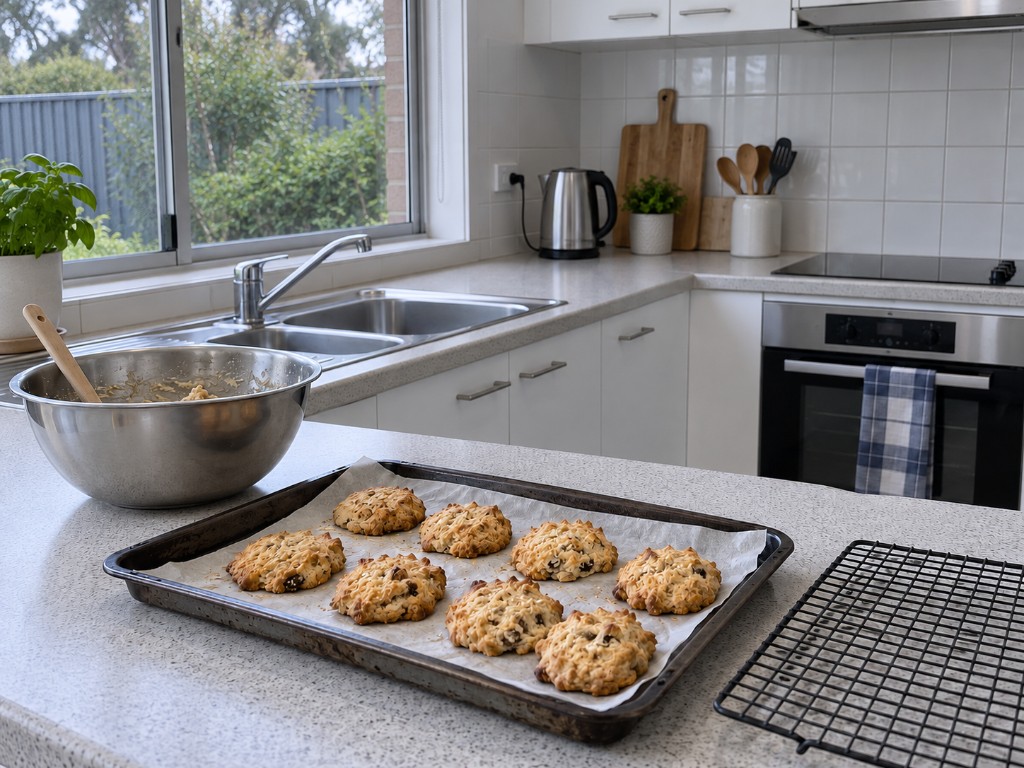
Start with your local council's environmental health team. Tell them what you plan to make, where you will prepare it, and how you will sell it.
What kinds of homemade food can you sell?
Your recipes, ingredients, processing and storage all matter. Use this as a starting point for the conversation with your council, not as a yes or no list.
| What you want to sell | What to check |
|---|---|
| Plain biscuits and cakes without fresh cream or custard | Whether your home kitchen and manufacturing activity need approval, plus packaging, allergens and shelf life |
| Cakes with fresh cream or custard, and other chilled desserts | Whether your kitchen can be approved for the product, and how you will control temperature during transport and sale |
| Jam, marmalade, chutney and other preserves | Whether the recipe and process suit the way you plan to store it, and what evidence you need for shelf life |
For a local example, Moreton Bay lists making cakes, biscuits, jams and sauces among activities that generally need a food business licence. Its guidance also separates preparing food from simply selling it.
What about homemade jam and preserves?
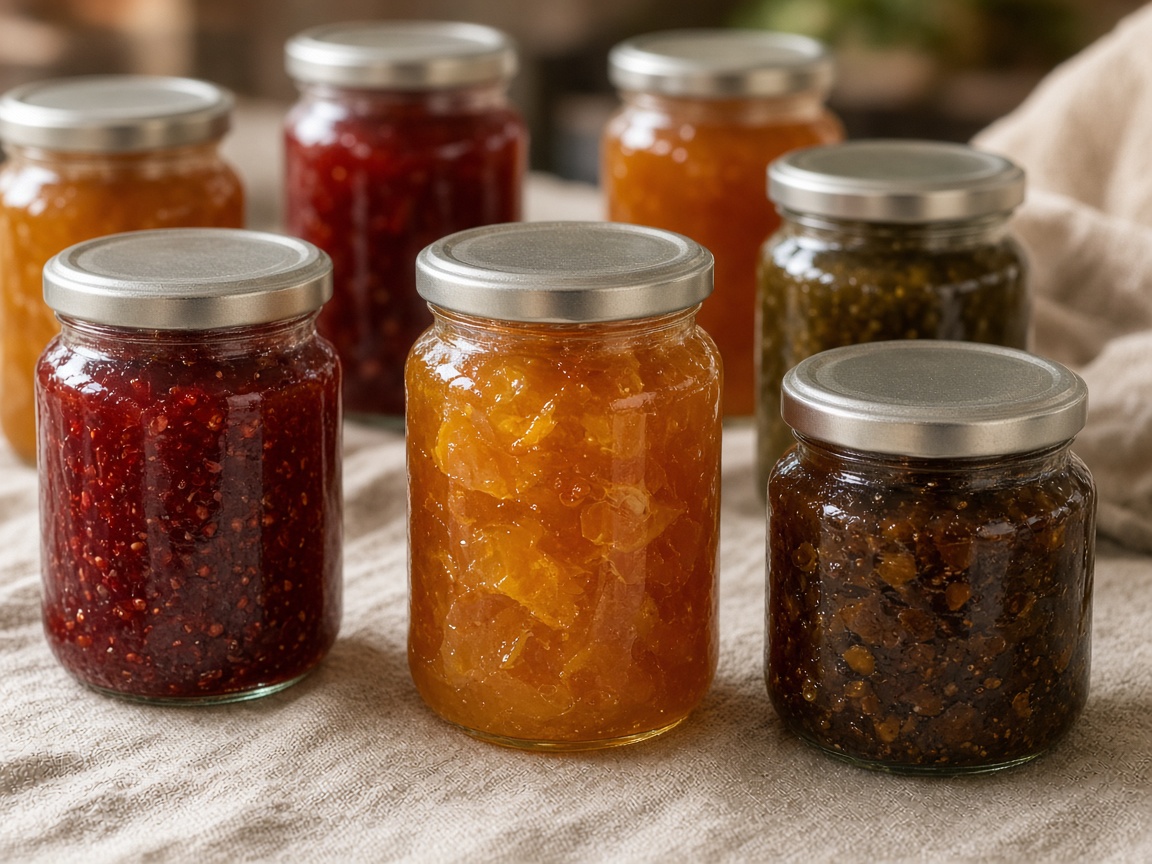
Ask about the exact product. Say whether you are making a fruit jam, a chutney, a sauce or something else, and whether you intend to sell it refrigerated or at room temperature.
Ask whether the product needs testing, including for acidity or water activity, before you make storage claims. You also need a sound basis for its shelf life. The NSW Food Authority says reliable dates cannot be guessed or copied from competing products.
Do you need a commercial kitchen?
Some food businesses can operate from an approved home kitchen. Whether yours can depends on the food and your council.
Queensland's home-business guidance notes that some councils may not permit particular food activities in a domestic kitchen. Check before you spend money on equipment or alterations.
Describe how you will store ingredients, prepare and package the food, clean equipment, and keep household cooking separate from production. Ask whether the kitchen needs an inspection, changes, or a different premises.
Do you need a licence to sell homemade food?
It depends on your location and what you do. Authorities may say licence, registration, notification or permit. Describe the whole process: making the food at home, transporting it, and offering samples.
Queensland
Queensland generally requires a council food business licence for manufacturing food. It also lists exemptions for selling certain foods, including unpackaged cakes and biscuits without cream or custard.
An exemption for selling a product does not automatically exempt making it. Ask the council to assess both. Food safety requirements can still apply where a licensing exemption exists.
Read Queensland's food business licence guidance.
New South Wales
For home businesses selling directly to customers, including at markets, the local council generally regulates the activity. Notify the council and confirm any permits or approvals. Some higher-risk manufacturing may also need a NSW Food Authority licence.
The NSW home-based business guide explains the difference, including when you sell to another business for resale.
Victoria
Food premises need registration or notification with their council before you sell food. Temporary market stalls use FoodTrader for that process, then lodge a Statement of Trade for each event.
A Statement of Trade tells the relevant council where and when you intend to trade. It follows registration or notification. It does not replace it. Ask your council about the home kitchen as well as the stall.
Other states and territories
Check the authority responsible for food businesses where you are. In Western Australia, most food businesses register with local government, including home businesses and temporary stalls. Start with WA food business registration, or find your authority through FSANZ.
If the market is outside your home council area, or across a state border, ask what extra arrangements apply before you book.
Do cakes, biscuits and jars need labels?
Check labelling before you order packaging. It depends on the product and how it is prepared, packaged and sold. The NSW Food Authority labelling guidance is a useful starting point, alongside the food labelling rules.
Depending on the requirements and exemptions that apply, label information can include:
- The food's name or description.
- Ingredients and required allergen declarations.
- The supplier's name and business address.
- Batch or lot identification.
- Date marking and storage instructions.
- Nutrition information and country-of-origin information where required.
A business name, Instagram handle and flavour sticker alone may not be enough.
Allergens still matter when food is unpackaged
Food that does not need a full label still needs required allergen information displayed with it, or available to the customer on request. Keep accurate ingredient information at the stall, including for samples.
For packaged food that needs an ingredients list, current rules specify how allergens must be declared, including bold formatting and a separate "Contains" statement. Check the FSANZ allergen guidance against your actual product before you print labels.
What does the market stall need?
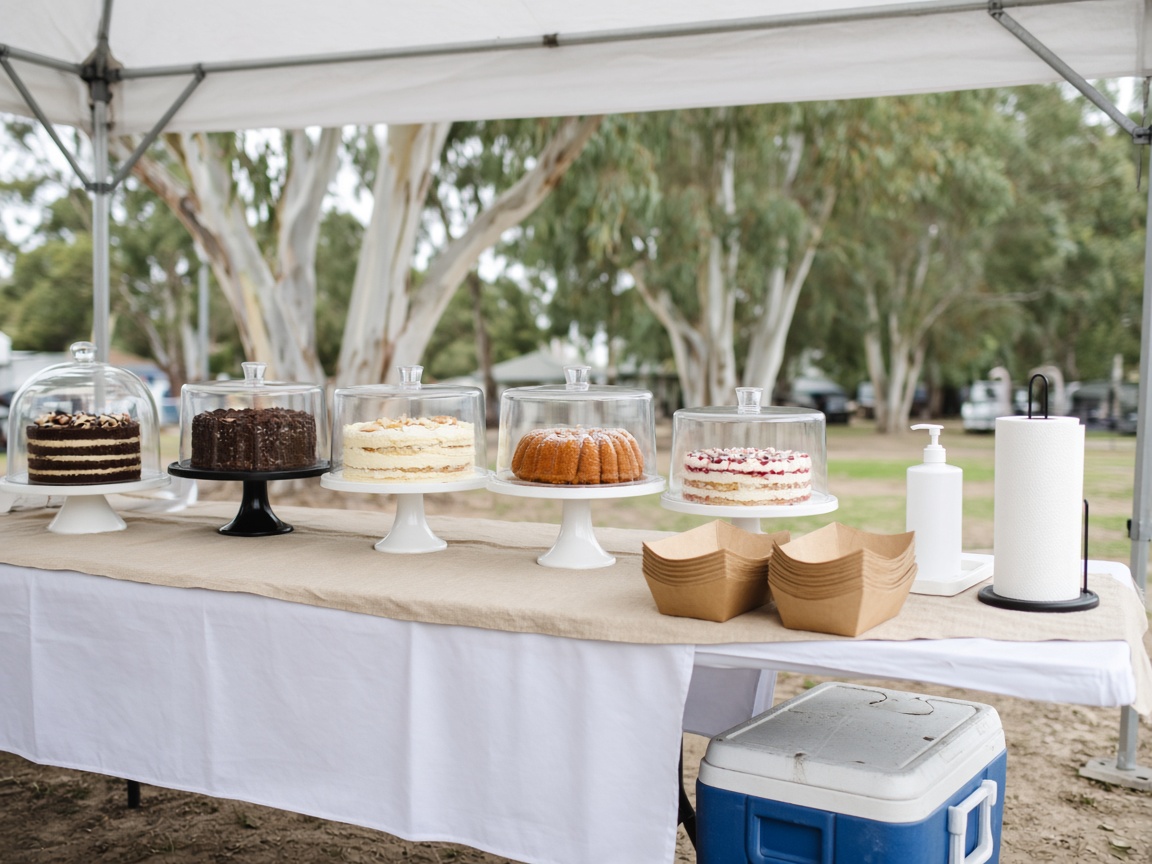
Plan how the food stays protected through transport, setup, display and service. FSANZ guidance for temporary and mobile businesses covers packaging, hygiene, handwashing and temperature control.
Tell the regulator if you will slice cakes, fill pastries or hand out tastings at the stall. Those activities need to be part of the assessment. Ask whether food-handler training or a food safety supervisor is required for what you will do.
Then check the market's own application. Organisers may ask for food approvals, insurance, photographs and setup details. Council approval does not reserve a stall or guarantee you will be accepted.
Ask what insurance the organiser requires, and describe your food activities accurately to the insurer. The market stall insurance guide has questions to take to a provider.
Before you book your first food stall
- Choose your opening range. List the products, ingredients, packaging and how you will store them.
- Check the home kitchen. Ask your regulator what approval or inspection is needed for those products.
- Check the market activity. Include the location, dates, transport, service and any samples.
- Prepare the labels and food information. Confirm the requirements for your products and how you will set shelf life.
- Apply to the organiser. Confirm their food category, documents, insurance, facilities and fees.
Ready to find somewhere to trade? Browse food markets, open the listings that suit your products, and check how each organiser accepts applications.
Sources checked 21 October 2026. This guide is a starting point for commercial market stalls. Confirm the requirements for your products and locations with the relevant regulator. Charity and community fundraising can have different arrangements.
Ready to explore markets near you?
Find farmers markets, night markets, and food markets with current dates across Australia.