Farmers markets near you
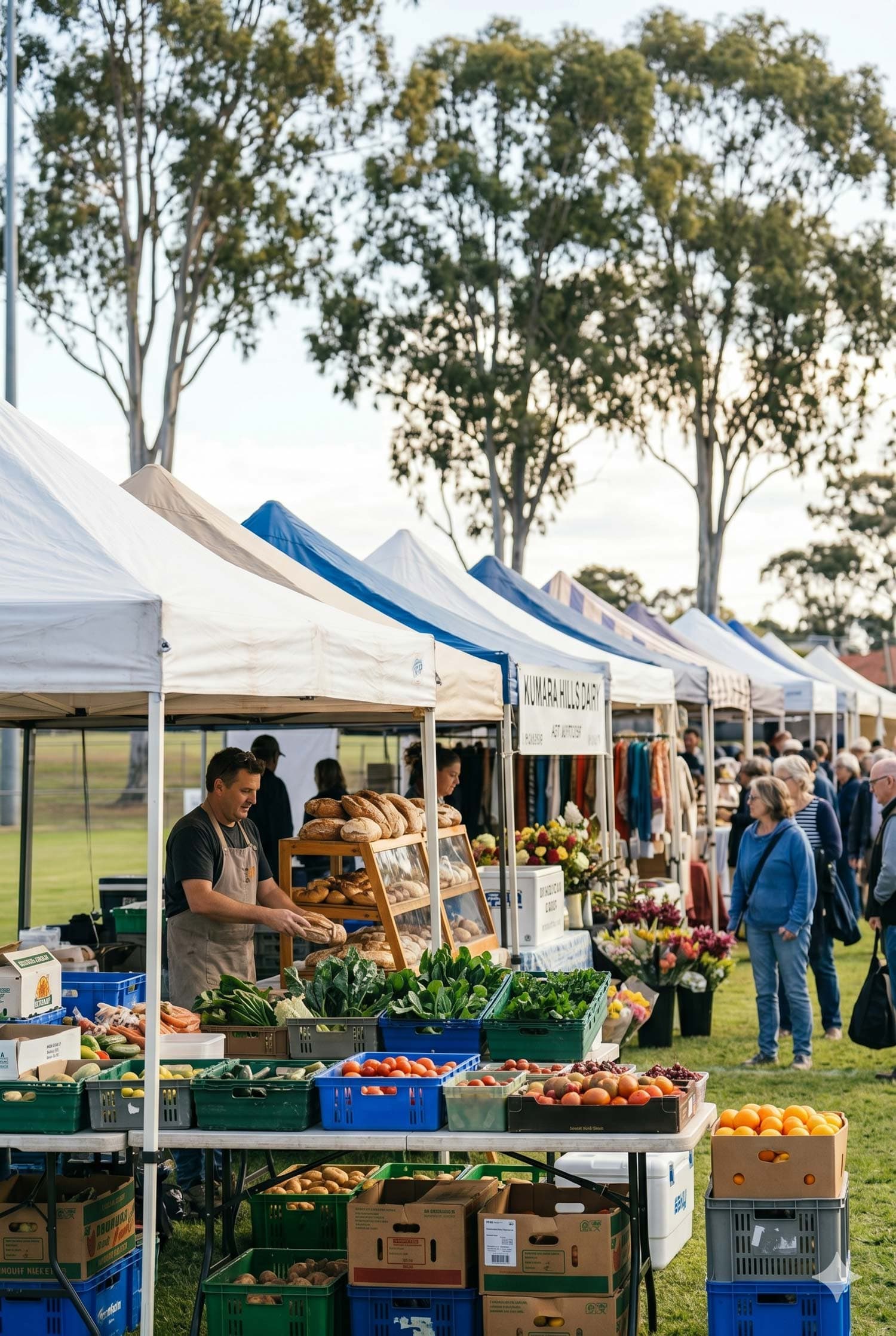
Australia is a country of vast land, distinct growing regions, and wildly different climates. What is grown in the subtropical north is not the same as what comes out of cool-climate orchards, coastal farms, fertile river flats, or inland grazing country. That is part of what makes farmers markets worth seeking out.
A good farmers market brings people closer to the land through season, locality, and direct exchange. It is where you find produce with a sense of place behind it. Organic and spray-free vegetables. Grass-fed and pasture-raised meat. Local eggs, raw honey, bread, flowers, citrus, herbs, dairy, preserves, and food that reflects the region it comes from.
More than a convenient shop, a farmers market can be one of the clearest ways to support primary producers, keep money moving locally, and stay connected to the people growing and making what ends up on your table. This page brings together farmers markets across Australia so you can browse what is on, explore by region, and find markets worth building into your week.
We aim to list markets here that fit the Australian Farmers' Markets Association (AFMA) idea of a farmers market: predominantly farm-direct fresh food, not craft or community markets that happen to sell some produce.
143
farmers markets listed
What makes a farmers market different?
Not every market with food is a farmers market. On MarketsGuide, this category follows the AFMA definition: a predominantly fresh food market where farmers and specialty food producers sell farm-origin and value-added specialty foods, and plant products, directly to customers.
That usually means farm-direct produce and food first, shaped by region and season. Stallholders are often the growers, farm families, or specialty food producers behind what they sell. Craft, community, flea, and makers markets that include a few food stalls belong in those categories instead, even when they sell some produce.
The appeal is fresher food, shorter supply chains, and a more direct connection between people and place.
What you might find
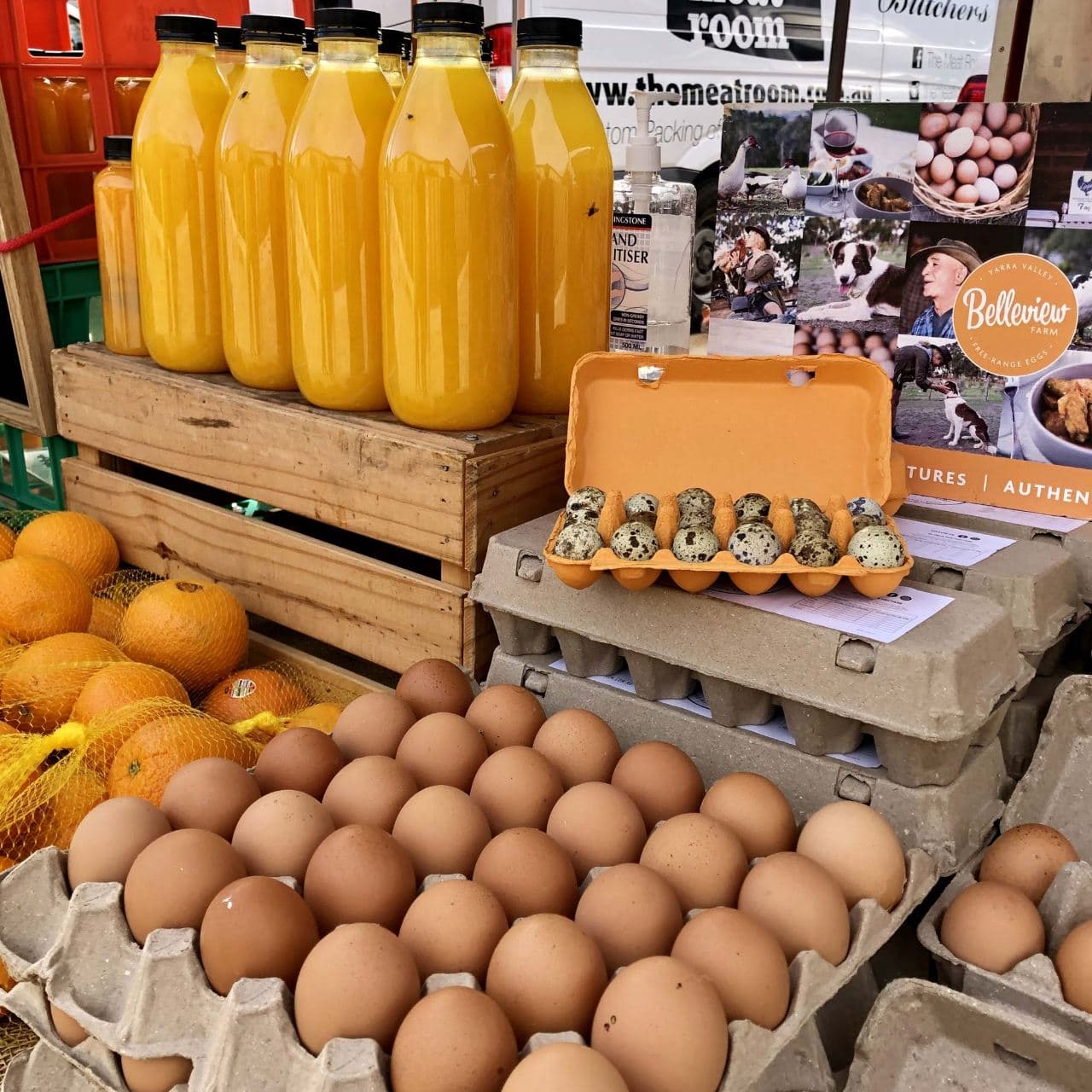
Depending on the market and the region, stalls might include seasonal fruit and vegetables, organic or spray-free produce, grass-fed beef, pasture-raised meat, free-range eggs, local dairy, sourdough, raw honey, flowers, herbs, seedlings, olives, preserves, pantry goods, small-batch condiments, fresh seafood, and ready-to-eat food made with local ingredients.
Some markets are best for a proper weekly shop. Others are smaller, slower, and more local in feel. Some are worth a detour. Some become part of the rhythm of a place.
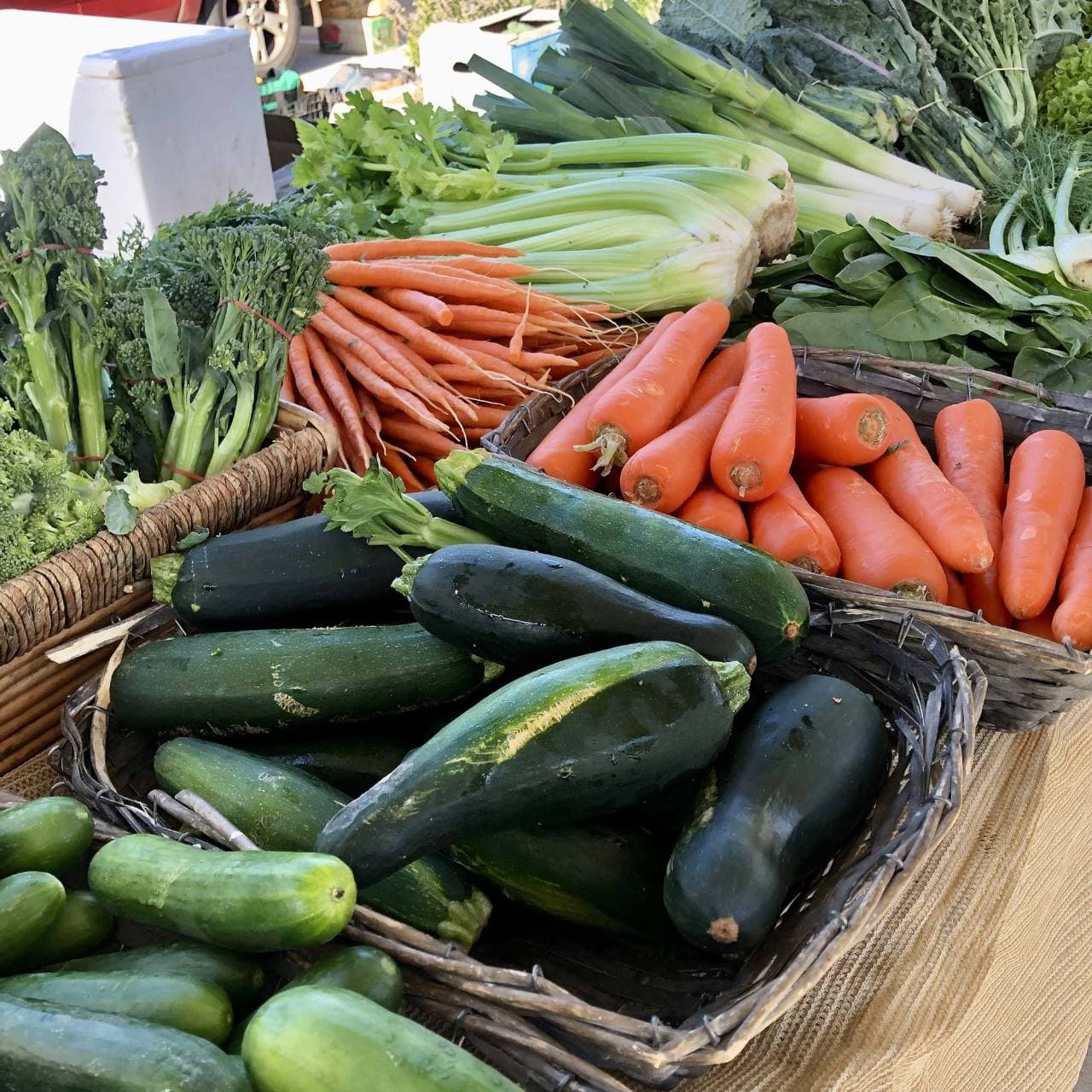
Seasonal fruit & veg
What is on the stalls shifts with harvests, weather, and the part of the country you are in.
Meat & seafood
Grass-fed, pasture-raised, and local where the market has producers who sell it.
Eggs & dairy
Free-range eggs, milk, cheese, and small-batch dairy from nearby farms and food producers.
Flowers & seedlings
Cut flowers, potted herbs, and seedlings for the garden when growers bring them.
Bread & pantry
Sourdough, honey, preserves, olives, and condiments made in the region.
Ready to eat
Food made with local ingredients: breakfast, lunch, or something to take home.
Fresh produce
Farmers markets in popular regions
These hubs are listed when we have at least one farmers market in that region. The number is how many listings match right now.
Looking for farmers markets this weekend?
Many farmers markets happen on Saturday and Sunday mornings, but not all of them follow the same rhythm. Some run weekly. Some are monthly. If you are planning your weekend or trying to find a regular local favourite, start with what is on and browse from there. Looking for a broader community or craft market instead? Use the links below.
Why people keep coming back
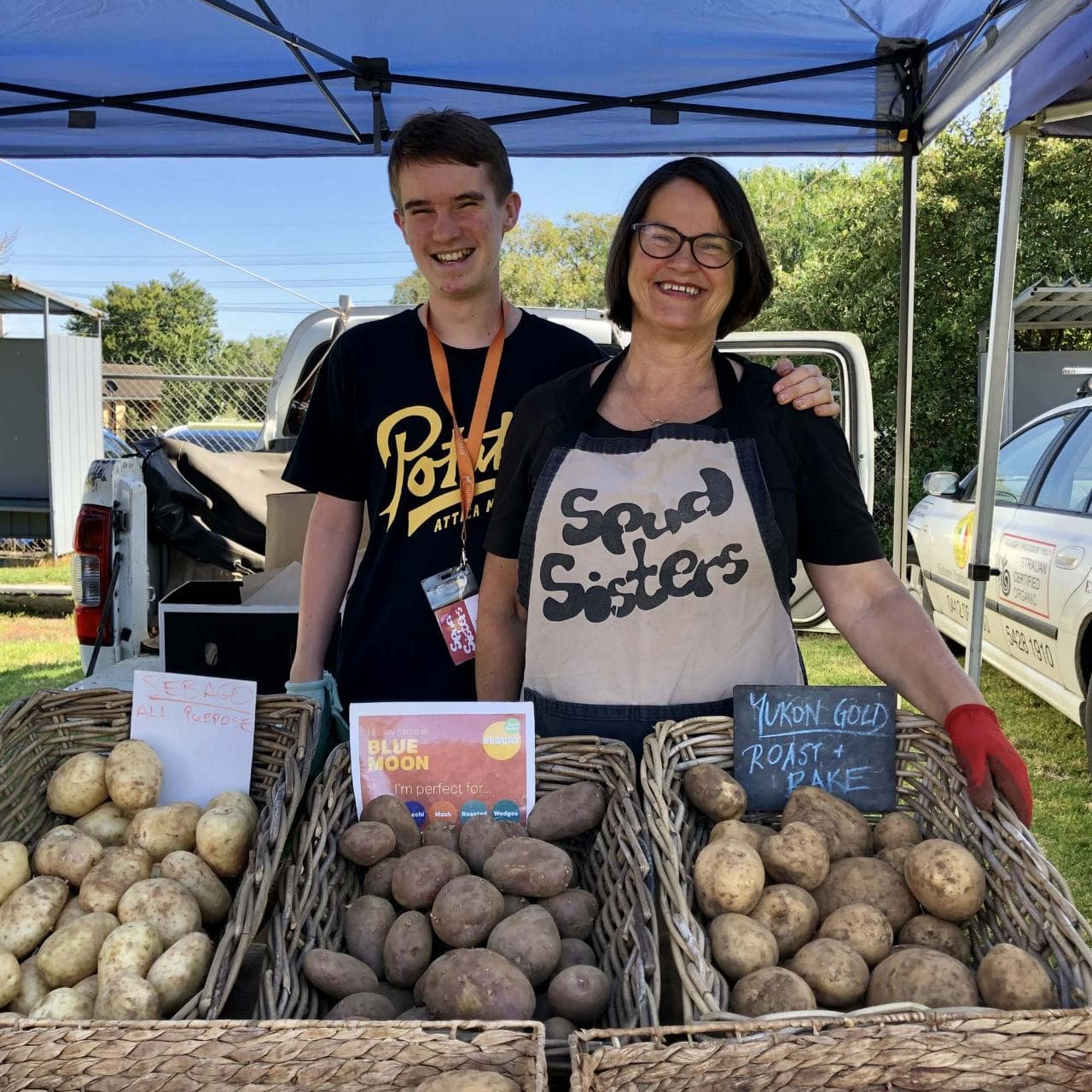
People do not return to farmers markets just because the produce is fresh. They come back because the experience feels more grounded. You can speak to the person who grew the tomatoes, raised the meat, collected the honey, baked the bread, or picked the flowers. You start to notice seasons more. You begin to recognise growers, regions, and stallholders.
That is part of the point of MarketsGuide too. Not just finding a market, but helping people form a stronger connection to the places, people, and regions that make them worth visiting.
Farmers markets FAQs
What is a farmers market?
According to the Australian Farmers' Markets Association (AFMA), a farmers market is a predominantly fresh food market that operates regularly within a community, at a focal public location, where farmers and specialty food producers sell farm-origin and associated value-added specialty foods for human consumption, and plant products, directly to customers.
Read AFMA's full definitions on their site: farmersmarkets.org.au/definitions.
Are farmers markets only open on weekends?
Many farmers markets run on Saturday or Sunday mornings, but some operate on weekdays or monthly. Check each listing for the schedule that applies.
What can I buy at a farmers market?
It depends on the market and the season, but common stalls include fruit and vegetables, organic or spray-free produce, grass-fed meat, eggs, dairy, bread, honey, flowers, herbs, preserves, plants, and other farm-origin or specialty food products sold by the people who grew or made them.
Are all produce markets farmers markets?
No. A market that sells some produce is not automatically a farmers market. Craft, community, flea, and makers markets that include a few food stalls belong in those categories instead. On MarketsGuide, Farmers is reserved for markets that fit the AFMA-aligned definition above.
How does MarketsGuide decide what goes in Farmers?
We list markets under Farmers when they are predominantly farm-direct fresh food markets in the AFMA sense. Community, craft, flea, and makers markets stay in their own categories, even if they sell some produce. We keep refining listings so this hub stays useful for people looking for real farmers markets.
How do I find a farmers market near me?
Use the map and listings on this page to browse by region and location, then open individual market pages for times, addresses, and updates.